





 Best Price
Demre Myra & Kekova
Demre Myra Kekova Boat Tour with Lunch and Transfer
Free Cancellation Free Shuttle
From £57.53 £51.09 Per Person



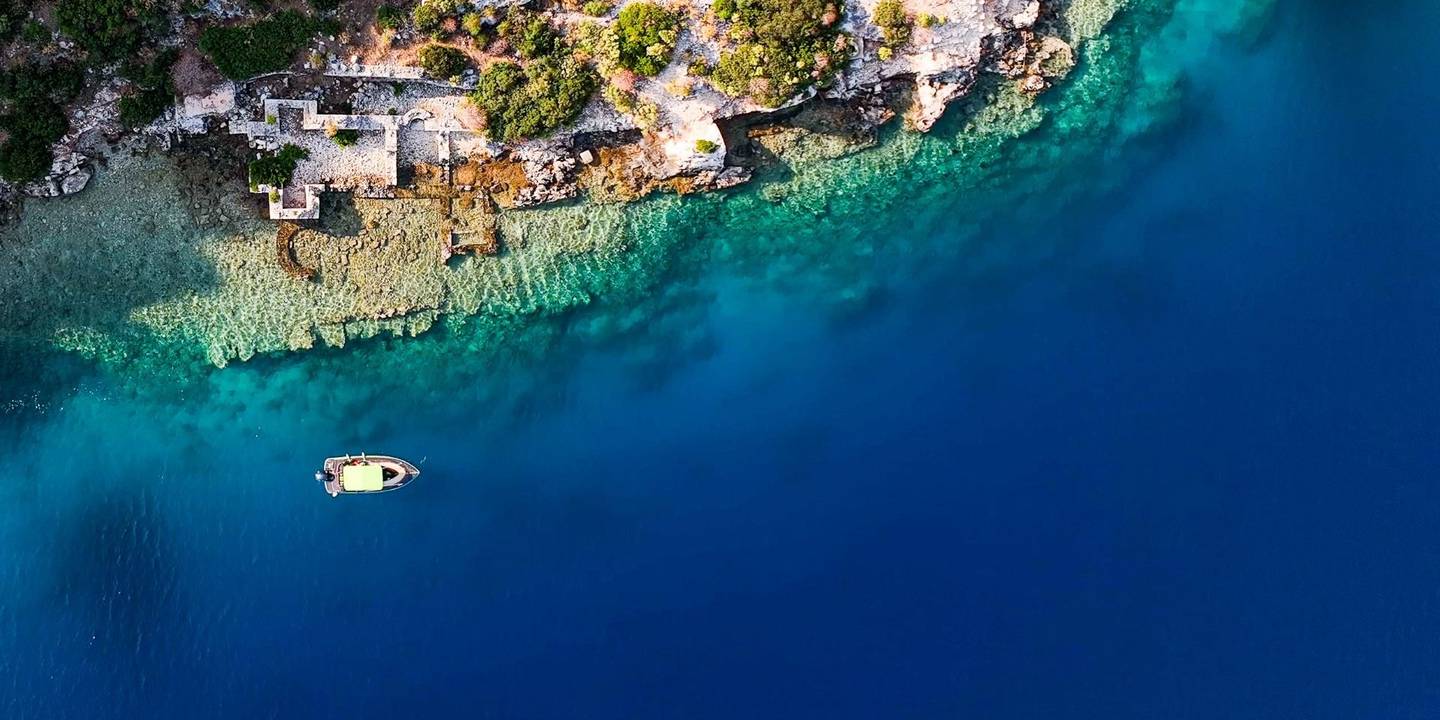
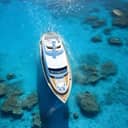
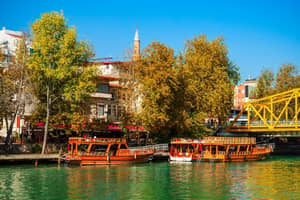
Kekova Sunken City is an ancient coastal settlement in the Demre district of Antalya, located along the northern shore of Kekova Island. Stairs, walls, foundations, harbour structures and other archaeological remains can be seen above and beneath the clear Mediterranean water. There is no direct land access to the Sunken City. Visitors normally see it on boat tours departing from Demre’s Çayağzı Harbour, Üçağız, Kaş or Kalkan. Depending on the itinerary, tours may also include Kaleköy, Simena Castle, Üçağız and swimming stops in permitted coves around Kekova.
Tours and trips that go here, run by licensed local operators.
Kekova Sunken City is located along the northern coast of Kekova Island in the Demre district of Antalya. It lies opposite the coastal settlements of Kaleköy and Üçağız and can only be viewed from the sea.
The main transport options are:
From Demre: Travel to Çayağzı Harbour and join a half-day or full-day boat tour.
From Üçağız: Choose a short boat tour, private boat or sea-kayaking excursion.
From Kaş: Join a full-day boat trip that usually includes several swimming stops.
From Kalkan: Use a road transfer to Üçağız or join a tour that includes transport.
With an organised excursion: Tours from Antalya and Kemer may combine Kekova with Demre, Myra and the Church of St Nicholas.
Approximate road distances:
| Starting point | Approximate distance |
|---|---|
| Demre centre to Çayağzı Harbour | 5–10 km |
| Demre centre to Üçağız | 20–25 km |
| Kaş to Üçağız | 32–38 km |
| Kalkan to Üçağız | 55–65 km |
| Kemer to Demre | 100–110 km |
| Antalya city centre to Demre | 145–155 km |
| Antalya city centre to Üçağız | 165–180 km |
When using navigation, search for Üçağız, Çayağzı Harbour, Kekova boat tours or your tour operator’s meeting point. Searching only for “Kekova Sunken City” may place the destination in the sea without providing a practical road route.
Kekova Sunken City does not have a land entrance gate or a standard admission ticket. Visitors normally pay for a boat tour, private boat or sea-kayaking excursion that passes the archaeological remains.
| Service | Information |
|---|---|
| Boat passage by the Sunken City | Included according to the tour programme |
| Short tour from Üçağız | Price varies by season and route |
| Full-day tour from Demre | Price varies by inclusions |
| Tour from Kaş or Kalkan | Price varies by departure point |
| Private boat hire | Depends on capacity, route and duration |
| Entry to Kaleköy village | Free |
| Simena Castle and archaeological site | Current admission should be checked |
| Food, drinks and personal expenses | Charged separately unless included |
Before booking, check:
The departure harbour
Total tour duration
Whether the Sunken City is included
Whether Kaleköy is visited
Swimming stops
Lunch and drinks
Guide services
Hotel transfers
Child ticket conditions
Cancellation and weather policies
Whether admission to Simena Castle is included
Boats generally travel slowly beside the archaeological zone so passengers can see the remains. Anchoring, swimming and entering the protected water beside the Sunken City are restricted.
Swimming, snorkelling and unauthorised diving are not permitted directly over the protected remains of Kekova Sunken City. These restrictions help protect the archaeological structures and prevent damage caused by anchoring or uncontrolled access.
Boat tours usually provide swimming breaks in other permitted locations, such as sheltered coves around Tersane Bay or Aquarium Bay. The exact stops depend on the itinerary, weather, sea conditions and the captain’s decision.
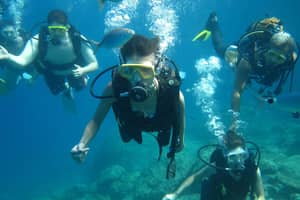
Licensed diving centres may operate controlled dives at authorised sites elsewhere in the Kekova region. These dives do not normally take place directly over the protected Sunken City remains. Always confirm the exact dive site and permit arrangements before booking.
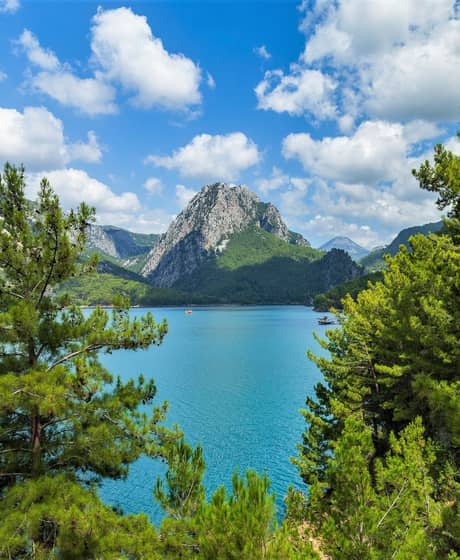
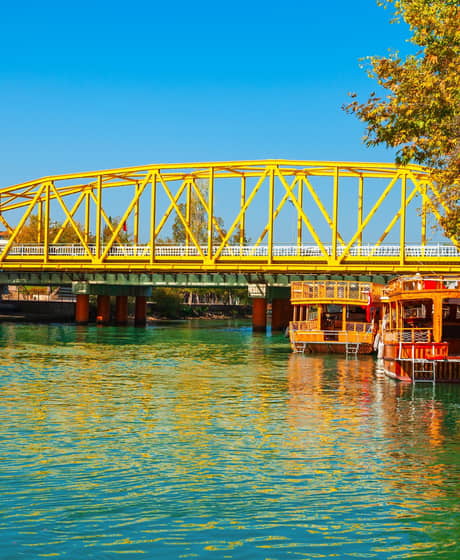
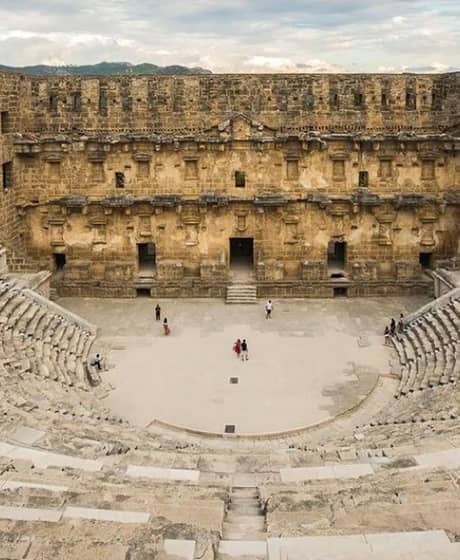
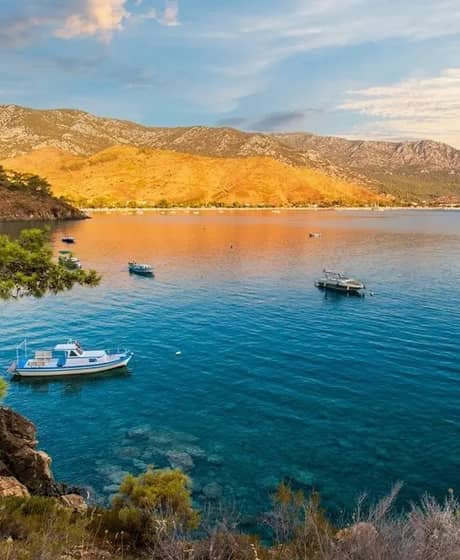
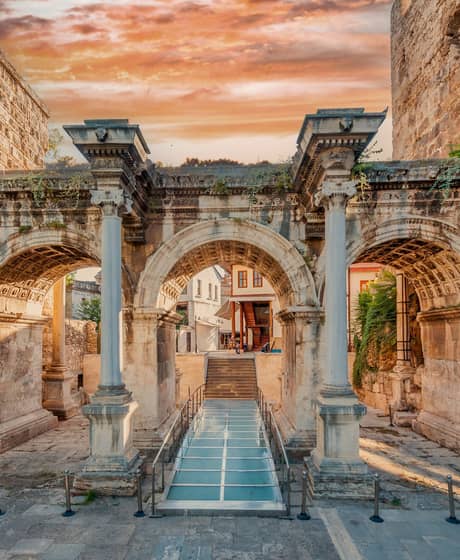
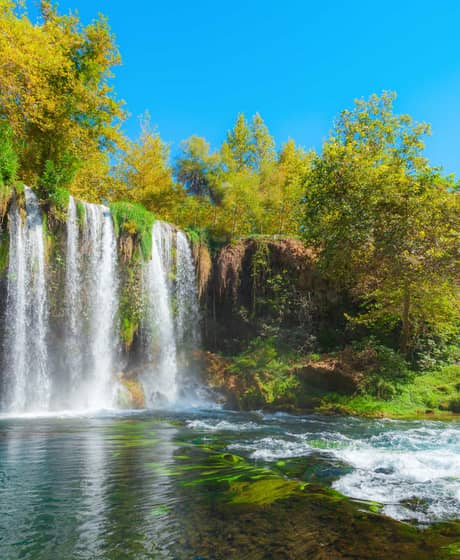
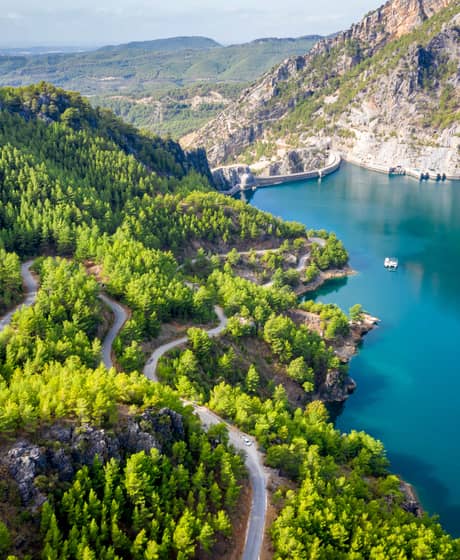
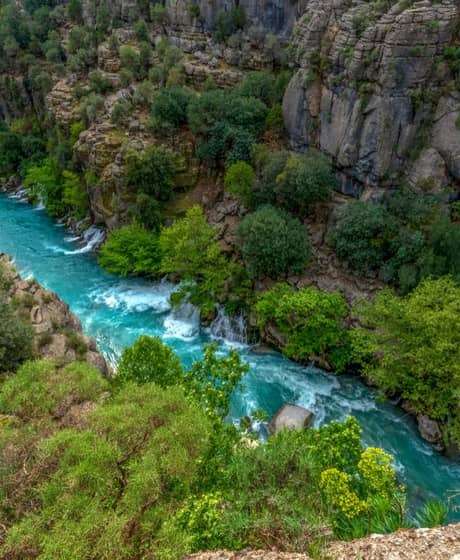
Kekova is one of the most distinctive coastal destinations in Antalya, combining Lycian settlements, submerged ruins, sheltered bays and small villages that can only be reached easily by sea.
The name Kekova is often used for the entire region, but Kekova Island, the Sunken City, Üçağız and Kaleköy are separate places. Understanding this distinction makes it easier to choose the correct departure point and boat-tour route.
Kekova Sunken City is the name commonly given to the partially submerged ancient settlement along the northern shore of Kekova Island. The ruins are frequently associated with the ancient settlement of Dolichiste, also written as Dolikisthe.
Some structures remain above the shoreline, while others are visible beneath the clear water. Archaeological traces that may be seen during a boat passage include:
Stone stairways descending into the sea
Building walls
Foundations
Door and window openings
Harbour and pier remains
Cisterns
Coastal structures
Submerged stone blocks
The protected ruins are observed from boats or sea kayaks travelling along the designated route. Visitors cannot walk through the settlement as they would at a conventional archaeological site.
Kekova is located on the Mediterranean coast of Türkiye, within the Demre district of Antalya Province. The region lies between Demre and Kaş and includes Kekova Island, Üçağız, Kaleköy and several sheltered bays.
Although Kekova is often associated with Kaş because many boat trips depart from there, the island and Sunken City are administratively connected to Demre.
The word Kekova can refer to more than one geographical area:
Kekova Island: The long island opposite Üçağız and Kaleköy
Kekova Sunken City: The partially submerged ruins on the island’s northern coast
Kekova region: The wider protected coastal area containing islands, bays and ancient settlements
This is why travel websites and map applications may show different locations for the same search term.
The Sunken City lies along the northern coast of Kekova Island, facing Kaleköy and Üçağız. It is situated on the sheltered side of the island rather than the open Mediterranean coast.
There is no public road, harbour entrance or walking route leading directly into the ruins. Boats follow the shoreline at a controlled speed, allowing passengers to observe the structures from the water.
The Sunken City can only be approached from the sea. Visitors first travel by road to a departure harbour and then join a boat or kayaking excursion.
Common departure points include:
Demre’s Çayağzı Harbour
Üçağız
Kaş Harbour
Kalkan
Private piers used by authorised tour operators
Üçağız provides one of the shortest sea routes. Tours from Kaş generally spend longer at sea but may include more bays and swimming stops.
You cannot drive directly to Kekova Island or the Sunken City. However, you can reach Üçağız or Çayağzı Harbour by car and continue by boat.
Common road routes include:
Antalya–Kemer–Kumluca–Finike–Demre–Çayağzı
Kaş–Demre road–Üçağız turn-off
Demre–Üçağız local road
Some sections of the road to Üçağız are narrow and winding. Allow extra time during summer, when traffic and parking demand can increase.
The road distance from Antalya city centre to Demre is approximately 145–155 kilometres. Continuing to Üçağız may increase the total distance to around 165–180 kilometres.
Driving time varies according to traffic, departure point and the selected harbour. Reaching Demre from central Antalya commonly takes around three hours, while Üçağız may require additional travel time.
Organised tours are usually full-day excursions because they combine the road journey with Myra, the Church of St Nicholas and a Kekova boat trip.
There are two main options:
Join a boat tour departing directly from Kaş Harbour.
Travel by road from Kaş to Üçağız and take a shorter local boat tour.
Direct departures from Kaş usually provide a longer day at sea with several swimming stops. Travelling to Üçağız is more suitable for visitors who want a shorter boat journey or a private itinerary.
From Demre, visitors generally travel to Çayağzı Harbour and join a boat tour. It is also possible to drive to Üçağız and depart from there.
Depending on the selected programme, a boat trip may include:
Kekova Sunken City
Kaleköy
Simena
Tersane Bay
Swimming coves
Üçağız
Confirm the meeting point carefully because Çayağzı Harbour and Üçağız are separate departure locations.
| Departure point | Typical tour style |
|---|---|
| Üçağız | Short local tours and private boats |
| Demre–Çayağzı | Half-day and full-day boat tours |
| Kaş | Longer sea routes with multiple swimming stops |
| Kalkan | Full-day programmes or road transfer to the harbour |
| Antalya and Kemer | Road transfer combined with a Demre, Myra and Kekova excursion |
The most suitable departure point depends on where you are staying, how much time you have and whether you prefer a short archaeological route or a complete day at sea.
Tour duration varies considerably:
Short tours from Üçağız may take approximately 1.5–3 hours.
Half-day programmes usually combine the Sunken City with nearby bays.
Full-day boat tours commonly last 7–9 hours.
Excursions from Antalya or Kemer may require 10–15 hours, including road transfers.
Hotel pickup and drop-off times may make the total day longer than the advertised boat journey.
There is no single fixed price for Kekova boat tours. Prices can change according to:
Departure harbour
Tour duration
Shared or private boat
Boat capacity
Season and demand
Lunch and drinks
Hotel transfers
Guide services
Swimming and sightseeing stops
Child age categories
Admission fees included in the programme
Private boats are usually priced for the vessel rather than per passenger. Always confirm what is included before comparing offers.
There is no conventional entrance ticket for viewing Kekova Sunken City from a boat. The cost is normally included in the boat tour or private excursion price.
Kaleköy village can be visited without an entrance ticket, but Simena Castle and the archaeological site above the village may have separate admission arrangements.
The coastal settlement was not necessarily submerged during a single event on a precisely recorded date. Earthquakes, tectonic subsidence and changes in relative sea level affected the area over time.
Major earthquakes during the Roman and Byzantine periods are often connected with the damage and gradual submergence of coastal structures. The site was later affected by changing settlement patterns, raids and regional instability.
The submerged landscape resulted from geological and coastal changes rather than from a legendary city suddenly disappearing beneath the sea.
The main factors are thought to include:
Earthquake damage
Tectonic movement
Land subsidence
Relative sea-level change
The abandonment or transformation of coastal structures
As the shoreline changed, stairs, foundations and harbour installations that were once on dry land became partially or completely submerged.
The Kekova region formed part of ancient Lycia and occupied an important position on the maritime routes of the Mediterranean. Coastal communities benefited from natural harbours and connections with nearby settlements such as Simena, Theimiussa, Myra and Andriake.
The settlement associated with the Sunken City developed around maritime trade, fishing and regional transport. Roman and Byzantine influence can be seen in the surviving structures.
Earthquakes and shoreline changes damaged parts of the settlement. Over time, sections were abandoned while nearby communities continued to develop.
Before parts of the coast became submerged, the settlement probably included houses, storage areas, cisterns, workshops, streets and harbour facilities positioned beside the water.
The stairways now descending into the sea may once have connected buildings at different levels. Coastal foundations and pier remains indicate that boats and maritime activity played an important role in everyday life.
Not enough of the settlement survives intact to reconstruct every building with certainty, so artistic depictions should be treated as interpretations rather than exact representations.
Popular stories sometimes describe Kekova as a city that disappeared beneath the sea during one catastrophic earthquake. This creates a dramatic image, but the archaeological and geological history is more complex.
Earthquakes almost certainly affected the coast, yet the submergence appears to have involved tectonic movement and long-term shoreline change. Legends should therefore be distinguished from documented historical evidence.
Different communities lived in and around the Kekova region over many centuries. These included:
Lycian communities
Hellenistic-period inhabitants
Romans
Byzantine communities
Medieval coastal populations
Ottoman-era residents in the wider region
Present-day communities in Üçağız and Kaleköy
The area’s natural harbours supported fishing, trade and maritime travel throughout much of its history.
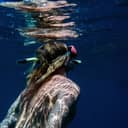
Yes, swimming is possible in designated coves around the wider Kekova region. However, swimming is not permitted directly over the protected Sunken City ruins.
Tour programmes may include swimming breaks at locations such as Tersane Bay, Aquarium Bay or other sheltered coves selected according to sea conditions. Follow the captain’s instructions and do not enter restricted archaeological zones.
Kekova is mainly known for rocky shores, small coves and boat-access swimming areas rather than long organised public beaches.
Kaleköy and Üçağız have limited coastal access, but their waterfronts often consist of piers, rocks and small swimming areas. Visitors looking for conventional beaches may prefer locations around Kaş, Demre, Finike, Kaputaş or Patara.
Unauthorised diving directly over the protected Sunken City remains is prohibited. Controlled recreational diving may be available at permitted sites elsewhere in the wider Kekova region through licensed operators.
Before booking, ask:
What is the exact name of the dive site?
Is diving authorised at that location?
Is the diving centre licensed?
What certification is required?
Are introductory dives available for beginners?
Are equipment and insurance included?
Is underwater photography permitted?
A tour described as “Kekova diving” does not necessarily mean that divers enter the protected Sunken City zone.
Some boats use glass viewing panels to help passengers see underwater remains. However, a glass-bottom boat is not essential because many structures can be viewed from the side of an ordinary boat when conditions are suitable.
Visibility depends on:
Sunlight
Cloud cover
Wind and waves
Water clarity
The boat’s position
Passenger crowding
Reflections on the glass
The time of day
Polarised sunglasses can help reduce reflections when viewing the ruins from the deck.
Yes. Guided sea-kayaking tours are available in the Kekova region and can provide a quieter, closer perspective of the coastline.
Kayaks must follow permitted routes, and participants are still subject to restrictions on swimming, landing and entering protected areas. A guided tour is recommended because of boat traffic, weather changes and archaeological protection rules.
Kekova is especially known for:
Its partially submerged ancient settlement
Clear Mediterranean water
Boat tours
Sea-kayaking routes
Kaleköy and Simena Castle
Lycian rock-cut tombs
Üçağız village
Sheltered swimming coves
Tersane Bay
Its protected natural and archaeological landscape
The combination of visible ruins, small coastal settlements and calm bays makes Kekova different from a conventional beach or archaeological-site visit.
Kaleköy is famous for:
Simena Castle
Lycian rock-cut tombs
A sarcophagus standing in the water
Stone houses
Narrow pedestrian paths
Harbour views
Small cafés and restaurants
Homemade ice cream sold by local businesses
Road access to the village centre is limited. Most visitors arrive by boat or walk from the end of the nearest road route.
No. They are separate archaeological locations within the same region.
| Feature | Kekova Sunken City | Simena and Kaleköy |
|---|---|---|
| Location | Northern shore of Kekova Island | Mainland coast opposite Kekova Island |
| Main way to visit | Viewed from a boat or kayak | Explored on foot after arriving by boat or road |
| Main remains | Submerged coastal structures | Castle, theatre, tombs and village remains |
| Swimming | Restricted at the archaeological zone | Possible only in suitable designated areas |
| Land visit | No direct public land visit | Yes |
Many boat tours include both locations, which is why their names are sometimes used interchangeably.
No. Üçağız is a mainland coastal village and one of the main departure points for Kekova tours. Kekova Island and the Sunken City lie across the water.
Üçağız occupies part of ancient Theimiussa and contains archaeological remains within and around the modern settlement. Visitors can drive to Üçağız, park and continue to Kekova by boat or kayak.
Media and local sources frequently mention a restored residence associated with Turkish businessman Rahmi Koç in Kaleköy. Other private properties in the wider area have also been linked to well-known businesspeople.
These houses are not located within the protected ruins of Kekova Sunken City. They are private properties and should not be treated as visitor attractions.
Yes. Kekova Island is part of Türkiye and lies within the Demre district of Antalya Province.
The island and surrounding coastal waters form part of a protected environmental and archaeological area. Access and activities are regulated to preserve both the natural landscape and cultural remains.
Kekova is not currently inscribed on UNESCO’s main World Heritage List. The ancient settlements of the Lycian civilisation, including parts of the Kekova region, have been on Türkiye’s UNESCO Tentative List since 2000.
A place appearing on the Tentative List is being considered for possible future nomination, but this is different from holding full World Heritage status.
Kekova can be visited during much of the year, although boat services and weather conditions vary by season.
April and May: Mild weather, green scenery and fewer visitors
June: Warm water and long days before peak-season crowds
July and August: The hottest and busiest period
September: Warm sea temperatures and generally more comfortable conditions
October: Suitable for quieter tours when the weather remains stable
Winter: Limited boat services and a greater possibility of cancellations
Morning departures often provide calmer water and better visibility. Always check the wind and marine forecast before travelling.
Kekova boat tours can be suitable for children, particularly when the vessel has shaded seating, safety equipment and convenient boarding arrangements.
Families should check:
Availability of child-sized life jackets
Shade on the boat
Toilet facilities
Boarding steps
Total journey duration
Swimming-break depth
Meal options
Pushchair storage
Age restrictions
Seasickness precautions
Children should be supervised continuously near piers, castle paths and the edges of boats.
Facilities vary between Üçağız, Kaleköy, the departure harbours and individual boats. They may include:
Restaurants and cafés
Small markets
Toilets
Boat-tour offices
Private boat services
Parking areas
Guesthouses
Swimming ladders
Kayaking operators
Diving centres in the wider region
Souvenir stalls
Limited cash and payment services
Facilities are more limited after leaving the mainland, so bring water, sun protection and any essential medication.
Morning and late-afternoon light generally produce the best photographs. The underwater remains are easiest to see when the sea is calm and sunlight enters the water at a useful angle.
Photography tips include:
Use polarised sunglasses or a polarising filter.
Avoid placing the camera directly against reflective glass.
Use a fast shutter speed from a moving boat.
Protect equipment from spray.
Photograph the ruins from both the deck and glass panels, if available.
Include Kaleköy and Simena Castle for wider landscape images.
Do not fly a drone without checking current local and aviation rules.
Water visibility can change within minutes as the boat changes direction.
Visitor reviews often praise:
The visibility of the underwater ruins
Clear turquoise water
Kaleköy and Simena Castle
Swimming stops
Peaceful coves
The combination of history and nature
Boat crews and local meals
Photography opportunities
Common concerns include crowded boats during summer, long road transfers, intense heat, limited shade and short viewing times beside the Sunken City.
Visitors who prefer a quieter experience may choose a weekday, an early departure or a smaller boat from Üçağız.
Nearby attractions include:
Kaleköy and ancient Simena
Üçağız and ancient Theimiussa
Myra Ancient City
The Church of St Nicholas
Andriake Ancient City
Museum of Lycian Civilisations
Demre Bird Sanctuary
Çayağzı Harbour
Kaş
Kaputaş Beach
Patara Ancient City and Beach
Finike
Aperlai Ancient City
For more ideas, explore Maxtoria’s guide to the best places to visit in Antalya.
A full-day Demre and Kekova itinerary can be planned as follows:
Visit the Church of St Nicholas in the morning.
Continue to Myra Ancient City.
Travel to Çayağzı Harbour or Üçağız.
Join a Kekova boat tour.
Pass the Sunken City at a controlled speed.
Stop at Kaleköy if it is included.
Swim in permitted bays.
Return to the harbour before evening.
Bring:
Swimwear
A towel
Sun cream
A hat
Non-slip footwear
Drinking water
A waterproof phone case
Cash for small businesses
A light jacket outside the summer season
Visitors departing from Antalya or Kemer should expect a long day because of the road distance.
Travellers staying in Antalya can explore the Antalya Demre, Myra and Kekova Boat Trip, which combines important historical sites in Demre with a boat journey through the Kekova region.
Visitors staying around Kemer can consider the Demre, Myra and Kekova Tour from Kemer.
Before booking, check:
Hotel pickup areas
Departure and return times
Road-transfer duration
Boat-trip duration
Myra and Church of St Nicholas visits
The Sunken City route
Kaleköy stops
Swimming breaks
Lunch and drinks
Guide languages
Entrance fees
Child ticket conditions
Cancellation and weather policies
Compare additional excursions on the Antalya tours and activities page.
Our easy-to-use app offers a comprehensive listing of curated tours, activities, and experiences, all in one place. Whether you’re a thrill-seeker looking for an adrenaline-packed adventure or seeking a more relaxed getaway, Maxtoria has got you covered.





© 2026 Maxtoria Turizm Ticaret A.Ş. — All Rights Reserved
v2.1.2